
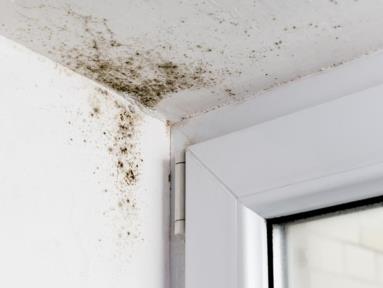
In the UAE, high humidity, continuous cooling, and limited fresh air exchange create ideal conditions for microbial growth. When mold appears in hotels, hospitals, or office towers, it’s rarely the result of poor cleaning — it’s a sign of an underlying control issue within the building environment.
A proper Mold Management Strategy looks beyond symptoms to identify patterns, priorities, and preventive actions. The aim is not simply to remove visible mold, but to ensure the building performs as designed over the long term.
Step-by-Step Mold Management Strategy:
Step 1: Begin with a Professional Assessment
Every successful program starts with accurate information.
A certified inspection provides the foundation for any strategy — verifying the extent of impact, identifying risk zones, and establishing the baseline indoor air quality.
At Envida, our role is to translate this information into a clear action plan for facility managers and asset owners.
Step 2: Establish Priorities and Control Zones
Large facilities can’t be treated in one sweep.
A structured approach separates critical areas (such as guest spaces, operating zones, or data rooms) from secondary ones, allowing work to proceed safely without operational disruption.
This planning stage is where technical expertise and practical site understanding meet — balancing health, compliance, and business continuity.
Step 3: Implement Targeted Remediation
Mold control is not about products or quick fixes — it’s about process.
Envida’s approach integrates internationally recognized standards with local regulatory requirements to ensure effective, compliant, and verifiable outcomes.
Each project is documented and traceable, providing confidence to management teams, auditors, and stakeholders.
Step 4: Prevent Mold Recurrence
The most valuable outcome of any remediation is prevention.
Through monitoring, training, and routine environmental checks, Envida helps clients maintain conditions that prevent recurrence — reducing risk, protecting assets, and ensuring healthy indoor environments year-round.
Why Choose Envida
For over a decade, Envida has supported hotels, hospitals, and commercial properties across the Middle East with certified inspection, IAQ monitoring, and remediation strategy development.
We combine international best practice with local insight to create sustainable, defensible solutions — not just temporary fixes.
If your building has recurring mold or air-quality issues, it’s time to step back and look at the bigger picture.
👉 Contact Envida to discuss a tailored Mold Management Strategy for your facility.
FAQ’s
1. Why does mold grow in large commercial buildings in the UAE?
High humidity, continuous cooling, and limited fresh air exchange create ideal conditions for microbial growth in hotels, hospitals, and office towers.
2. What is the first step in a mold management strategy for UAE facilities?
Begin with a professional assessment by certified inspectors to verify mold extent, identify risk zones, and establish baseline indoor air quality.
3. How do you prioritize mold control in large buildings without disruption?
Establish priorities and control zones, separating critical areas like guest spaces or data rooms from secondary ones to balance health, compliance, and business continuity.
4. What does targeted mold remediation involve for commercial properties?
Implement process-based remediation integrating international standards and UAE regulations, with full documentation for verifiable, compliant outcomes.
5. How can UAE buildings prevent mold recurrence after remediation?
Use ongoing IAQ monitoring, staff training, and routine environmental checks to maintain preventive conditions year-round.
6. Why choose Envida for commercial mold management in the Middle East?
Envida offers over a decade of experience with certified inspections, IAQ monitoring, and tailored strategies combining global best practices with local UAE insights.
